
Lymphedema Reconstruction
Conveniently located to serve the areas of Honolulu, HI
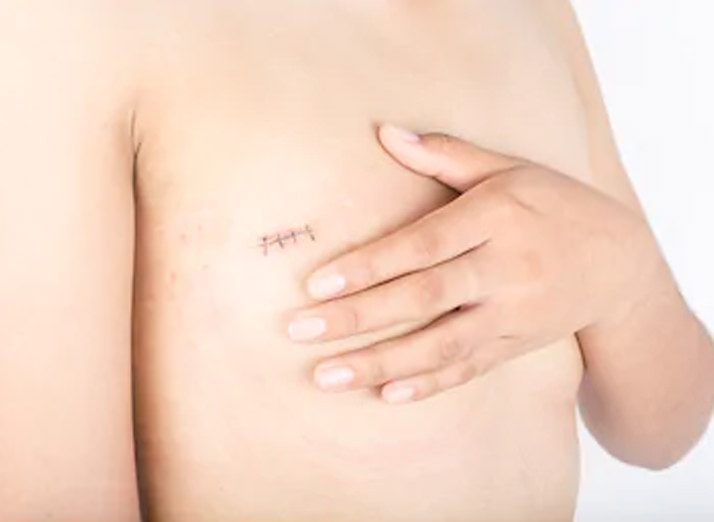
Lymphedema reconstruction refers to advanced microsurgical techniques used to restore lymphatic function and reduce swelling caused by lymphatic system damage. Lymphedema often develops following cancer treatments—such as breast surgery with lymph node removal or melanoma excision—where normal lymphatic drainage is disrupted. These procedures aim to improve fluid flow, decrease limb volume, relieve discomfort, and lower the risk of infection, while enhancing quality of life. Surgical planning is highly individualized, based on the severity, location, and underlying cause of the condition.
Lymphovenous Bypass (LVB)
Lymphovenous bypass is a microsurgical procedure that connects tiny lymphatic vessels directly to nearby veins, allowing lymph fluid to bypass blocked or damaged pathways and drain into the venous circulation. This technique can significantly reduce swelling and improve mobility, particularly when performed in the earlier stages of lymphedema.
Vascularized Lymph Node Transfer (VLNT)
Vascularized lymph node transfer involves transplanting healthy lymph nodes, along with their supporting blood vessels, from one part of the body to the affected area. The transferred nodes help reestablish lymphatic drainage and promote the growth of new lymphatic pathways. This procedure is especially useful for more advanced cases or when lymphovenous bypass alone is insufficient.
Both approaches may be combined or performed alongside other treatments, such as compression therapy or physiotherapy, to optimize results and support long-term lymphatic health.